Crafting an effective AI-generated slide deck is no longer a futuristic fantasy — with tools like GenPPT, an AI-powered PowerPoint generator, teams can produce presentations faster than ever before. But the key to unlocking quality, usable slides does not lie solely in the technology. Instead, it hinges on how you prompt the AI, especially the constraints you include in your instructions.
Industry leaders such as Harvard Business Review have repeatedly emphasized that a research-first approach and clear narrative beats generic filler content every time. Meanwhile, software giant Microsoft PowerPoint continues to optimize its platform to better accommodate AI workflows, but the fundamentals of prompt engineering remain crucial.
In this post, I’ll walk through what makes an effective AI slide deck prompt, focusing on constraints like slide count, audience level, and goal and format. I’ll also share tips on why specificity drives output quality, why establishing a solid outline is paramount before design, and how iterative refinement via chat interfaces accelerates workflow — rather than constantly regenerating entire decks.
Why Constraints Matter in AI Slide Deck Prompts
AI models excel at generating a wide range of outputs, often with impressive fluency. However, vague prompts tend to produce generic or off-the-mark decks, requiring significant manual rework. This defeats the goal of saving time and effort.
On the flip side, a well-crafted prompt with clear, deliberate constraints serves as a laser guide for the AI. It clarifies scope, tone, complexity, and structure — resulting in slides that are presentation-ready or require minimal edits.
Think of your prompt like a brief your best human collaborator would need to nail a project. You wouldn’t just say, “Make me a presentation about AI.” Instead, you’d specify:
- How many slides? (slide count) Who is the presentation for? (audience level) Why are we making this deck? (goal and format) What data or sources should inform the content? What is the desired narrative flow?
Key Constraints to Include in Your AI Slide Deck Prompt
1. Slide Count: Define the Scope and Depth
As a veteran of reviewing countless decks, one of my pet peeves is slide bloat — decks with too many slides trying to cover everything, often diluting the message. When prompting an AI tool like GenPPT, specifying the desired slide count upfront helps constrain the narrative to its essential points.
For example:
"Generate a 10-slide presentation outlining the key trends in renewable energy adoption in the US."
This immediately signals the AI to be concise, focusing on the must-know trends without drifting into unnecessary tangents. The AI will allocate approximate space and time per point accordingly.
From my experience, slide count acts as a structural boundary. It forces prioritization—the kind of prioritization that Harvard Business Review suggests for compelling executive summaries.
2. Audience Level: Tailor the Language and Detail
Your audience dictates everything: tone, terminology, and depth of explanation. Is this deck for C-level executives with limited time? For technical specialists? For a general audience new to the topic?
Explicitly calling out the audience will dramatically improve slide relevance and readability. Instead of generic statements, the AI will calibrate complexity or jargon accordingly.

Example prompt snippet:
"Target audience: senior business executives unfamiliar with technical details."
This cue steers the AI away from dense charts or heavy methodology slides, instead encouraging crisp, high-level insights.
Microsoft PowerPoint’s integration with AI assistants increasingly values audience context when offering design suggestions or content. Leveraging such constraints upfront means fewer frustrating font size fixups and layout shifts later.
3. Goal and Format: Clarify Purpose and Presentation Style
What is the deck’s ultimate goal? To inform, to persuade, to provide an educational workshop? Defining the goal helps the AI zero in on the right style presentation narrative framework and structure.
Similarly, format instructions matter. Should slides have bullet points, charts, quotes, or data tables? Is this a single-deck presentation, or a modular set of stand-alone slides?
For instance:
"Purpose: convince investors to fund the next phase of product development. Format: less than 5 bullet points per slide, with visuals to support key data."
This helps avoid frustrating design tweaks after you’ve received your slide export from GenPPT or after importing back into Microsoft PowerPoint.
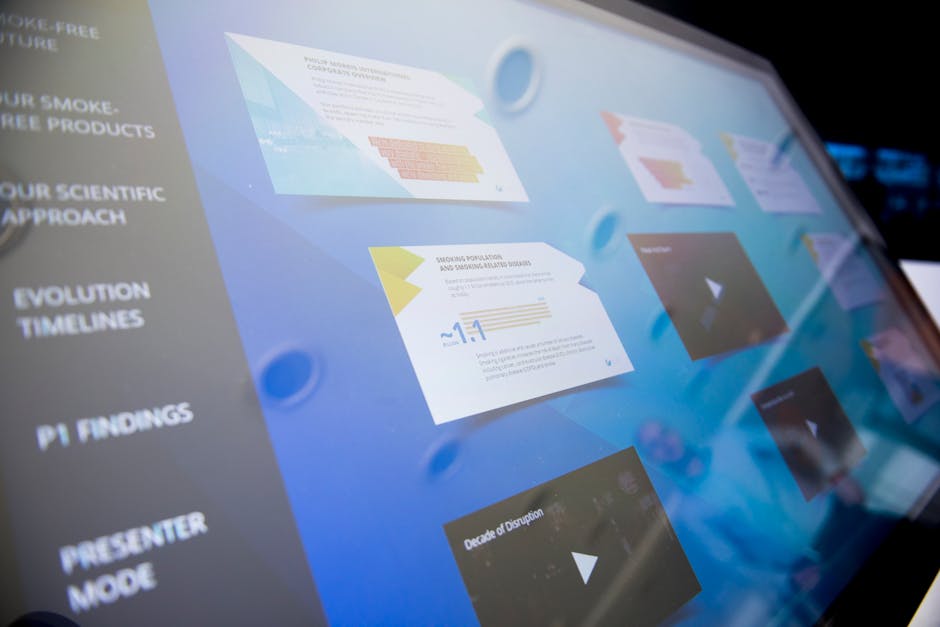
The Importance of Outline and Narrative Structure Before Design
I can’t stress this enough. The best AI-generated decks start with a solid outline and a clearly defined narrative flow. Jumping straight to design or slide generation is a recipe for incoherence.
Begin by requesting AI to produce a structured outline:
Introduction and context Problem or opportunity Evidence and analysis Recommendations or conclusions Call to actionThis not only anchors the content but serves as a checklist to ensure each slide earns its place — a quality standard Microsoft PowerPoint pros appreciate every time they open a deck.
Harvard Business Review research-backed presentations consistently advocate this “story first, design second” methodology, aligning with best practices taught in business schools and consultancy firms alike.
Prompt Specificity Drives Output Quality
Generic AI prompts will often produce generic decks filled with platitudes. Instead, embedding specific data points, research references, and framing questions can yield research-first slides rather than filler content.
For example, instead of:
"Create a presentation on digital marketing trends."
Try a more detailed prompt:
"Create an 8-slide presentation targeting marketing managers, focusing on digital marketing trends from recent 2023 Harvard Business Review articles, emphasizing AI’s impact on personalization and customer engagement."
This specificity channels the AI’s ability to integrate up-to-date insights and credible sources in the slides, making for a research-backed deck you can trust.
Iterative Refinement via Chat: Faster Than Regenerating Entire Decks
One common workflow mistake is hitting “regenerate” repeatedly on the entire deck whenever the output is not perfect. This wastes time and often resets previous good work.
A smarter tactic — championed by many expert users of GenPPT and Microsoft’s AI copilots — is iterative refinement through chat: treat the AI like a collaborator. Start with a rough outline, then refine individual slides or sections by asking follow-up questions or requesting rewrites with specific tweaks.
For instance:
- “Could you expand slide 4 with more recent data from 2023 reports?” “Rewrite slide 7 for a C-suite audience, cutting jargon.” “Add a summary slide after slide 5.”
This dialogue-driven approach maintains context, preserves good content, and progressively improves the deck much faster than regenerating everything from scratch.
Summary Table: Recommended Constraints for AI Slide Deck Prompts
Constraint Purpose Example Prompt Snippet Slide Count Controls scope and encourages prioritization "Generate a 12-slide presentation" Audience Level Adjusts terminology, tone, and complexity "For senior executives unfamiliar with the technical details" Goal and Format Defines purpose & slide style, reduces post-export fixes "Purpose: to convince investors; Format: max 5 bullet points per slide" Narrative Structure Ensures logical flow and slide relevance "Outline: intro, problem, evidence, recommendations, call to action" Research References Drives credibility and richness of content "Use insights from Harvard Business Review's 2023 reports"Conclusion: Your AI Slide Deck Prompt Is the Foundation for Success
Using an AI slide deck generator like GenPPT can dramatically speed up your presentation workflow, but remember this: the quality of your deck starts with the quality of your prompt. Incorporate clear constraints around slide count, audience level, and goal and format to ensure focused, relevant, and professional presentations.
Always begin with a well-structured outline to anchor your narrative, and use iterative chat refinements to get your slides exactly where they need to be — rather than blindly regenerating everything.
Follow these best practices endorsed by research from Harvard Business Review and facilitated by advanced tools like GenPPT and Microsoft PowerPoint AI integration, and you’ll not only ship cleaner decks faster but also reclaim your sanity in the notoriously painful editing round trips.